

Lesotho calls for faster domestication of SADC Protocols as youth unemployment and social vulnerability persist
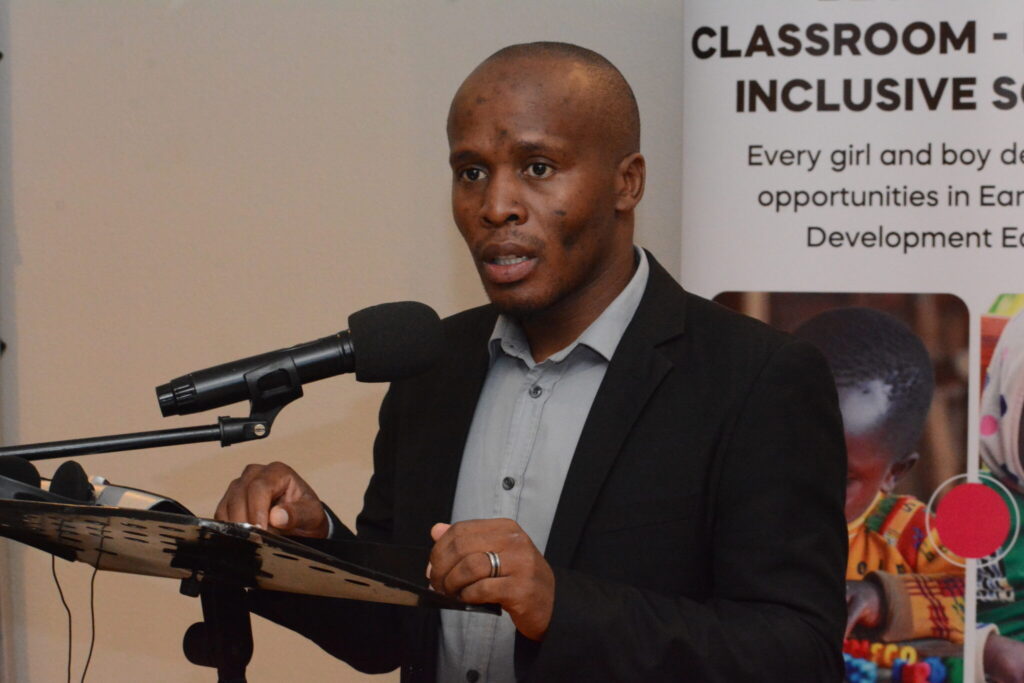
The Chairperson of the Standing Committee on Human and Social Development and Special Programmes (HSDSP), Honourable Mope Khati of Lesotho, has called for accelerated domestication of regional protocols and increased investment in youth employment programmes.
He has warned that persistent unemployment and social vulnerability continue to undermine human development efforts.
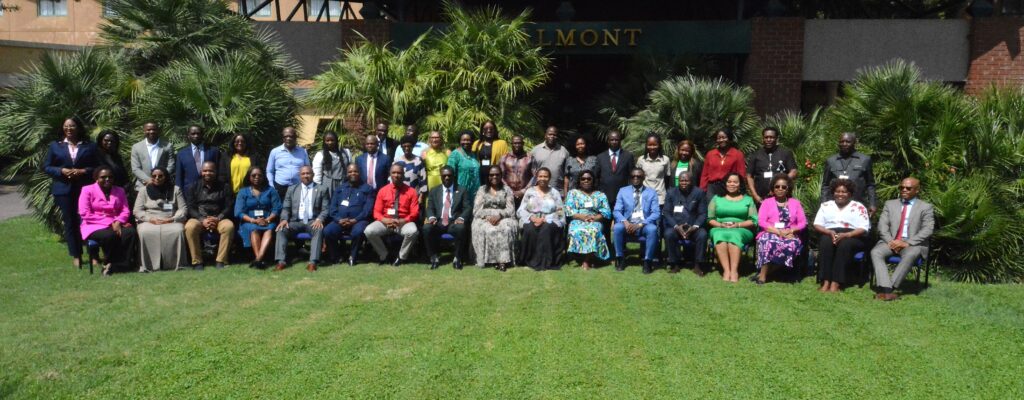
Hon Khati presented Lesotho’s briefing on the implementation of the SADC Protocols on Education and Training, and Employment and Labour to Members of Parliament gathered for the statutory meeting of the HSDSP Committee in Gaborone.
He said that while Lesotho has made measurable progress in aligning national frameworks with regional commitments, significant gaps remain, particularly in linking education outcomes to labour market demands and strengthening protection for vulnerable workers.
He said Lesotho has ratified the Protocol on Education and Training (1997) and is at an advanced stage of considering ratification of the Protocol on Employment and Labour (2023).
Honourable Khati highlighted gains in the education sector, particularly through the Free Primary Education programme, expansion of secondary school infrastructure, and ongoing efforts to strengthen Technical and Vocational Education and Training (TVET) and skills development.
In the employment sector, he pointed to youth employment initiatives, entrepreneurship programmes, and social protection schemes such as cash transfers and pensions as key interventions supporting vulnerable populations.
However, he cautioned that demand continues to outpace available resources.
“Despite these efforts, challenges remain in scaling these programmes to meet growing demand,” he reported.
Education continues to receive a significant share of the national budget, estimated at between 15 and 20 percent, yet the labour sector remains underfunded, a disparity he said limits the country’s capacity to tackle unemployment effectively, particularly among young people.
Honourable Khati underscored the scale of the employment crisis in Lesotho and described unemployment as one of the country’s most pressing challenges.
“Overall unemployment is estimated at around 25 percent, while youth unemployment is significantly higher, ranging between 35 and 40 percent,” he reported.
He warned that the social consequences of economic hardship are increasingly visible, including rising substance abuse among youth, increased gender-based violence linked to financial stress, and persistent sexual and reproductive health challenges such as high HIV prevalence and teenage pregnancies.
“There is growing evidence that economic vulnerability is driving harmful coping mechanisms, including transactional relationships and school dropouts,” he added.
The Chairperson stated that education remains a central pillar of social protection in Lesotho. He pointed to policies that allow girls who fall pregnant to return to school and the integration of life skills and HIV and AIDS education into the curriculum.
Nevertheless, dropout rates, particularly among girls, remain a concern due to poverty, early pregnancy and child marriage.
Honourable Khati also highlighted the country’s Universal Old-Age Pension Scheme as a lifeline for vulnerable households, especially grandparents caring for orphaned children. However, he noted that coverage for informal sector workers remains limited and support for persons with disabilities requires strengthening.
The Chairperson reaffirmed the role played by the Parliament of Lesotho in advancing reforms through portfolio committees, budget scrutiny, and public consultations, including support for legislation on labour reform, child protection and gender-based violence.
He urged stronger regional cooperation and decisive policy action to address structural challenges facing Member States.
In his recommendations to the Committee, Honourable Khati called for accelerated domestication and implementation of SADC protocols, increased investment in youth employment programmes, strengthened regional frameworks for skills recognition and labour mobility, expanded social protection for informal sector workers, and investment in robust labour market information systems.
“Lesotho remains committed to advancing the shared vision of inclusive and resilient human capital development within the SADC Parliamentary Forum,” he stated.
He added, “We believe that through strengthened cooperation, political will, and sustained investment, our region can transform its demographic potential into a powerful driver of sustainable development.” –Africa News