
Why Young Journalists Need Mentors to Thrive
Every newsroom wants competent, ethical and confident journalists. Yet too often, we expect young reporters to become professionals simply by assigning them stories and hoping they will figure things out. That is not how great journalists are made, they are mentored.
Mentorship is not about holding someone’s hand. It is about challenging them to think critically, accept constructive criticism and continuously improve. It is also about instilling values that cannot be taught in a textbook: integrity, humility, empathy and accountability.
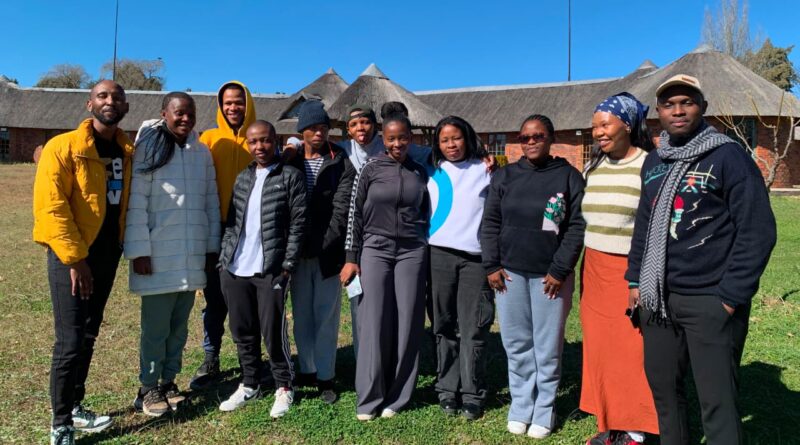
I was recently reminded of this while mentoring a group of junior journalists in human rights reporting under Queer Worx. Queer Worx is an organization promoting and advancing economic and social inclusion for Lesotho LGBTQI+ community.
It was a rewarding experience, not because I had all the answers but because I witnessed young reporters grow in confidence and sharpen their storytelling skills. Their curiosity and willingness to learn reinforced my belief that mentorship remains one of the most powerful investments we can make in the future of journalism.
Journalism is a profession learned as much in the field as it is in the classroom. Universities provide the foundation but mentorship bridges the gap between theory and practice. It teaches young journalists how to ask difficult questions respectfully, verify information, navigate ethical dilemmas and tell stories that give voice to the voiceless.
Unfortunately, mentorship is becoming increasingly rare. Busy newsrooms, shrinking budgets and tight deadlines mean experienced journalists have little time to guide newcomers. As a result, many young reporters are left to learn through trial and error, often making mistakes that could have been avoided with proper guidance.
Mentorship, however, is a two-way commitment. Mentors must be patient enough to teach honestly, while mentees must be humble enough to learn. Talent alone is never enough. The journalists who grow the most are often those who listen carefully, accept feedback and understand that correction is part of becoming better.
As the media industry evolves, organisations should treat mentorship as a necessity rather than a luxury. Structured mentoring programmes should become part of newsroom culture, not occasional projects funded by development partners. The quality of tomorrow’s journalism depends on the guidance young reporters receive today.
The greatest legacy of any journalist is not the headlines they wrote or the awards they won. It is the journalists they helped shape along the way. When experienced professionals invest in the next generation, they are not just building careers; they are protecting the future of journalism itself.